Low back pain
Low back pain (LBP) is one of the most common health issues affecting people of all ages and occupations. It is a leading cause of missed work days, reduced productivity, and decreased quality of life. Most cases of low back pain are non-specific, meaning they are not due to serious underlying conditions, and improve with proper care and lifestyle adjustments. Understanding the causes, treatment options, and preventive strategies can help manage and reduce the risk of chronic pain.
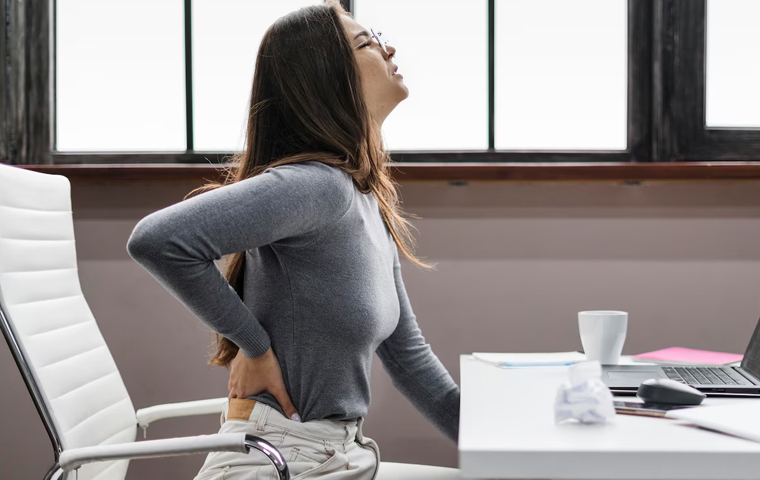
Causes of Low Back Pain:
Muscle or Ligament Strain:
- Sudden awkward movements, lifting heavy objects improperly, or overuse can strain back muscles or ligaments.
Poor Posture and Sedentary Lifestyle:
Prolonged sitting, especially with poor posture, weakens the back muscles and causes stress on the spine.
Disc Problems:
- Herniated Disc: A disc can bulge or rupture, pressing on nearby nerves.
- Degenerative Disc Disease: Natural aging causes discs to lose hydration and flexibility, leading to pain and stiffness.
Spinal Conditions:
- Spondylolisthesis: One vertebra slips forward over another.
- Spinal Stenosis: Narrowing of the spinal canal, compressing nerves.
- Osteoarthritis: Wear and tear in spinal joints.
Psychosocial Factors:
Stress, anxiety, and depression can increase muscle tension and make back pain worse.
Work-Related Factors:
Repetitive movements, heavy lifting, prolonged standing or sitting, and poor ergonomic setups contribute to LBP.
Treatment Methodology:
Treatment depends on the cause, severity, and duration of pain. Most people with acute low back pain recover within a few weeks with conservative treatment.
1. Conservative Medical Management:
- Medications
- NSAIDs (e.g., ibuprofen, naproxen): Reduce inflammation and relieve pain.
- Muscle relaxants: Used for muscle spasms.
- Topical analgesics: Provide localized relief.
- Neuropathic agents (e.g., pregabalin, duloxetine): For nerve-related pain.
- Heat/Ice Therapy
- Ice reduces inflammation (use during first 48 hours).
- Heat improves blood flow and relaxes tight muscles.
- Rest vs. Activity
- Short rest may help acute pain, but prolonged bed rest is discouraged.
- Gentle movement and resumption of normal activity as soon as possible promote recovery.
2. Physiotherapy
Physiotherapy plays a central role in the treatment and prevention of low back pain. A licensed physiotherapist will assess posture, strength, flexibility, and functional limitations before designing a customized program.
Key Physiotherapy Techniques:
- Manual Therapy: Hands-on techniques like mobilization and manipulation to relieve stiffness and improve motion.
- Electrotherapy: Modalities like TENS, ultrasound, and interferential therapy to reduce pain and muscle tension.
- Core Strengthening:Focus on strengthening abdominal, lumbar, pelvic, and gluteal muscles to support the spine.
- Stretching Exercises: Improves flexibility of muscles like hamstrings, hip flexors, and spinal extensors.
- Postural Training: Corrects alignment and teaches ergonomic body mechanics for daily tasks.
3. Exercises for Low Back Pain:
Important: Exercises should be guided by a physiotherapist, especially in the early stages.
Common Exercises Include:
- Pelvic Tilts: Strengthens abdominal muscles and relieves stiffness.
- Knee-to-Chest Stretch: Helps relax lower back muscles.
- Bridging Exercise: Builds strength in glutes and lower back.
- Cat-Cow Stretch: Improves spinal flexibility and posture.
- Bird-Dog Exercise: Strengthens the lower back and core.
Note: Always warm up before exercise and avoid high-impact movements or heavy lifting in early recovery stages.
4. Ergonomic Modifications:
Proper ergonomics can prevent and alleviate low back pain, especially for those with sedentary jobs or repetitive tasks.
Workstation Ergonomics:
- Chair: Use a chair with lumbar support. Sit with hips and knees at 90 degrees, feet flat on the floor.
- Desk: Keep monitor at eye level to avoid slouching.
- Keyboard and Mouse: Keep close to body, elbows bent at 90 degrees.
- Breaks: Take short breaks every 30–60 minutes to stand, stretch, or walk.
Lifting Techniques:
- Bend at the knees, not the waist.
- Keep the load close to your body.
- Avoid twisting your torso while lifting.
Driving Ergonomics:
- Adjust seat so knees are level with or slightly higher than hips.
- Use lumbar support or a rolled towel for lower back.
- Take breaks during long drives to stretch.
5. Lifestyle Modifications:
- Weight Management: Extra weight increases stress on the lower back. Maintaining a healthy BMI helps reduce pain and prevent further injury.
- Regular Exercise: Staying active strengthens muscles, improves flexibility, and boosts circulation.
- Quit Smoking: Smoking reduces blood flow to spinal tissues, impeding healing and accelerating disc degeneration.
- Sleep Posture: Use a medium-firm mattress. Sleep on your side with a pillow between your knees, or on your back with a pillow under your knees.
6. Psychological and Behavioral Therapy:
Chronic back pain often has a psychological component. Techniques like Cognitive Behavioral Therapy (CBT) help patients cope with pain, reduce stress, and avoid fear-driven inactivity.
7. When to Seek Further Medical Care:
While most back pain resolves with conservative care, seek immediate medical attention if pain is associated with:
- Numbness or weakness in the legs
- Loss of bladder or bowel control
- Severe trauma or injury
- Unexplained weight loss
- Fever or infection signs
In such cases, advanced diagnostics (MRI, CT scan) or surgical referral may be needed.
Conclusion:
Low back pain is a manageable and often preventable condition. A combination of early treatment, physical therapy, ergonomic adjustments, exercise, and lifestyle changes can help reduce pain, restore function, and prevent recurrence. Partnering with your healthcare team and staying proactive in your recovery plan is key to a healthy, pain-free back.