Hip and Total Knee Replacement
Total hip and total knee arthroplasty are surgical procedures used to relieve pain and improve function in joints damaged by arthritis, injury, or other conditions. In total hip replacement, the damaged bone and cartilage of the hip joint are replaced with artificial components. Similarly, in total knee replacement, the damaged knee joint is resurfaced with metal and plastic parts. These procedures are commonly recommended when conservative treatments like medications, physical therapy, or injections no longer provide relief.
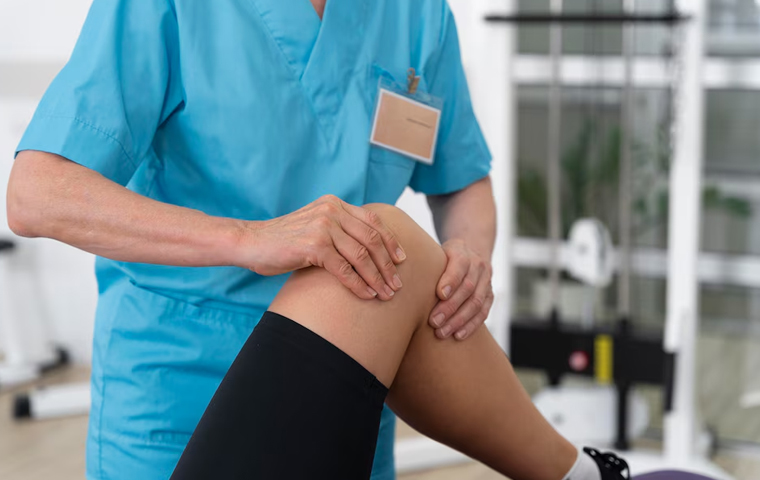
Benefits include pain reduction, improved mobility, and enhanced quality of life. Recovery typically involves physical therapy to restore movement and strength. Patients are encouraged to follow post-operative instructions carefully, including wound care, activity limitations, and exercises. Most patients can return to normal daily activities within 6–12 weeks. Long-term success depends on maintaining a healthy weight, avoiding high-impact activities, and attending regular follow-ups with the healthcare provider.
Patient Education: Total Knee Replacement (TKR) and Total Hip Replacement (THR) – With Technical Information
Total Knee Replacement (TKR):
TKR involves replacing the damaged surfaces of the knee joint with prosthetic components. The procedure includes:
- Resurfacing the femur (thigh bone) with a metal component.
- Placing a metal tray on the tibia (shin bone) with a polyethylene (plastic) insert for cushioning.
- Sometimes, resurfacing the patella (kneecap) with plastic. Implants are fixed using bone cement (cemented) or designed to allow natural bone growth (cementless).
Total Hip Replacement (THR):
THR involves replacing the ball-and-socket joint of the hip. The procedure includes:
- Removing the femoral head and inserting a metal stem into the femur.
- Placing a metal or ceramic ball on the stem.
- Lining the acetabulum (hip socket) with a metal shell and plastic, ceramic, or metal liner.
Both surgeries aim to restore joint function, reduce pain, and improve mobility. Post-op care includes physiotherapy and gradual return to activities.