Fracture Surgery
Fracture surgery, also known as operative fracture management, is a treatment approach used when broken bones cannot be effectively treated with conservative methods such as casting or splinting. Surgical treatment involves the use of medical hardware like plates, screws, rods, or pins to stabilize the bone and ensure proper alignment during healing. Surgery helps restore the normal shape and function of the bone, reduces the risk of long-term disability, and often allows for earlier movement and recovery.
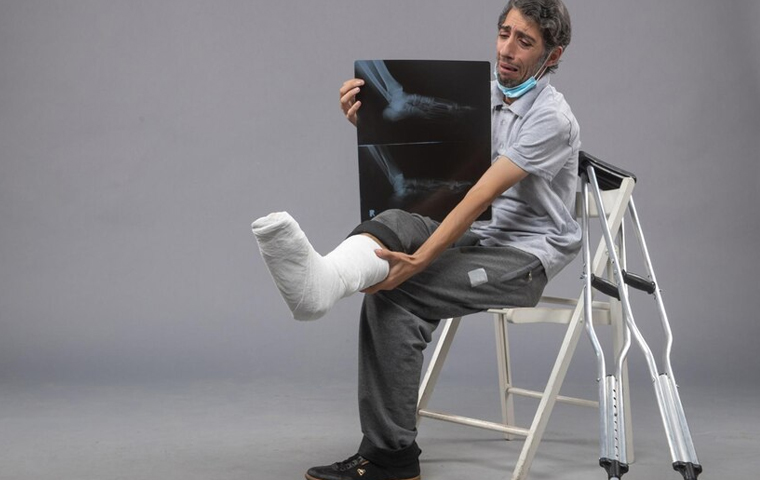
Indications for Fracture Surgery:
Fracture surgery is typically recommended when one or more of the following conditions are present:
- Displaced Fracture: When bone fragments are not aligned properly and cannot be repositioned (reduced) or held in place with a cast.
- Open Fracture (Compound): When the bone breaks through the skin, increasing the risk of infection and requiring surgical cleaning and stabilization.
- Fracture with Joint Involvement: If the break extends into a joint, accurate alignment is crucial to maintain joint function and prevent arthritis.
- Unstable Fractures: Fractures that cannot stay in place with non-surgical methods due to muscle pull or bone pattern.
- Multiple Fractures or Polytrauma: When a patient has several fractures or life-threatening injuries that require faster recovery and mobilization.
- Nonunion or Malunion: When the bone doesn’t heal properly or heals in the wrong position.
- Special Fractures: Certain fractures, like hip fractures in the elderly, femur fractures, or fractures of the spine and pelvis, often need surgical intervention for safe and effective healing.
Surgical Techniques and Fixation Methods:
Surgeons choose the best method based on the bone involved, type of fracture, and patient condition. Common surgical options include:
1. Internal Fixation:
- Plates and Screws: Metal plates are attached to the outer surface of the bone using screws.
- Intramedullary Rods or Nails: A rod is inserted into the central canal of long bones like the femur or tibia to stabilize the bone from within.
- Pins and Wires: Used in smaller bones or pediatric fractures.
2. External Fixation:
- A frame is placed outside the body and connected to the bone with pins. This method is often used temporarily in open fractures or when the patient is not stable for internal fixation.
Fracture Surgery by Body Region:
- Upper Limb:
- Clavicle: Surgery if displaced or associated with nerve/vessel injury.
- Humerus: May need plates or nails.
- Wrist and Hand: Precise alignment needed for function, especially in intra-articular fractures.
- Lower Limb:
- Hip Fracture: Often treated with screws, nails, or joint replacement in elderly patients.
- Femur and Tibia: Usually treated with intramedullary nails or plates.
- Ankle and Foot: Require surgical fixation if unstable or involving the joint.
- Spine and Pelvis:
- Surgery is considered if there is instability, nerve compression, or deformity.
Postoperative Care and Recovery:
After surgery, patients may need pain management, wound care, physical therapy, and regular follow-up. Early mobilization is often encouraged to prevent complications such as blood clots, muscle wasting, or joint stiffness.
Conclusion:
Fracture surgery is a safe and effective method to restore bone alignment and function when non-operative treatment is not suitable. With proper care and rehabilitation, most patients achieve good outcomes and return to daily activities.